How Often Should I Schedule HVAC Maintenance?
Maintaining your HVAC system is crucial to ensure a comfortable, safe, and energy-efficient home environment. HVAC systems, which offer heating, ventilation, and air conditioning, are intricate assemblies requiring regular attention to function optimally. Developing a strategic care routine is the most reliable way to prevent sudden equipment malfunctions and keep your utility costs manageable throughout the year. As heating and cooling technologies evolve alongside a growing emphasis on sustainable living, understanding the specific needs of your hardware has never been more vital. Examining the latest industry shifts, optimal servicing timelines, and proactive troubleshooting techniques reveals how a structured approach to system upkeep can protect both your physical comfort and your financial bottom line.
Analyzing Growing Industry Trends
The conversation around HVAC maintenance is becoming increasingly pertinent as reliance on these systems grows across residential and commercial sectors. With technological advancements and the transition towards sustainable living, understanding unit maintenance requirements is necessary. Investing in a timely AC service helps property owners get ahead of unexpected, severe equipment failures. According to Jobber, annual expenditures for HVAC maintenance and repairs are projected to surpass $10 billion, which underscores how focusing on an upfront AC service is a smart financial strategy for avoiding hefty future breakdown costs.
Developing Structured Maintenance Schedules
Developing the right HVAC maintenance schedule involves understanding the diverse factors that affect your system’s needs. This includes the specific type, age, and usage of the hardware, as well as external factors like local weather patterns. By thoroughly understanding these elements, you can schedule a professional AC service at the ideal time of year to optimize longevity. Booking a comprehensive AC service allows a technician to ensure that all internal cooling elements are balanced, which directly enhances the value and comfort of your living or working space.
Understanding Core Equipment Requirements
Every cooling setup has strict mechanical needs that must be met to preserve baseline operational efficiency. Neglecting to coordinate a regular AC service can cause components to work twice as hard, accelerating overall wear and tear. Incorporating a periodic AC service into your seasonal home checklist ensures that minor airflow restrictions are handled before they spiral into system failures. Ultimately, realizing the exact technical requirements of your equipment makes it easier to keep utility bills low and ensure your system performs flawlessly when summer arrives.
Prioritizing Regular Maintenance
Regular HVAC maintenance is critical in avoiding costly repairs and unexpected breakdowns. Routine checks help spot potential issues early before they escalate into expensive repair work, saving money and maintaining system efficiency.
Another critical aspect is enhancing system longevity. HVAC units represent a significant investment, and extending their lifespan is a priority for many property owners. Routine maintenance helps ensure that all internal components function smoothly, reducing unnecessary wear and tear to yield the best return on investment over time.
Regular maintenance also enhances a system's energy efficiency. Over time, HVAC systems can lose efficiency due to dirt accumulation and parts wear, leading to higher energy consumption. A well-maintained system performs optimally, utilizing energy effectively to deliver consistent heating and cooling, minimizing both environmental impact and the financial burden on owners.
Establishing Recommended Maintenance Schedules
Seasonal check-ups are important to prepare your HVAC system for changing weather conditions. Generally, specific maintenance tasks should be carried out before winter for heating systems and before summer for cooling units to ensure they handle seasonal strain.
We recommend scheduling an annual professional inspection as a core component of a comprehensive maintenance plan. Qualified HVAC professionals can identify issues that homeowners might overlook, providing in-depth assessments of electrical components, refrigerant levels, and overall performance.
Monthly self-checks can complement professional inspections, allowing homeowners to maintain a vigilant eye on their systems. Simple tasks like checking thermostat settings, replacing air filters, and ensuring proper airflow can significantly influence overall system efficiency.
Recognizing Signs Your System Needs Maintenance
Recognizing unusual noises emanating from your HVAC system is a sure indicator of maintenance needs. Squealing or grinding sounds often suggest motor or belt issues that require prompt attention to avert significant mechanical failures.
Uneven temperature distribution within your space can be another sign that your system requires maintenance. Fluctuating room temperatures can indicate ductwork issues or thermostat malfunctions, affecting overall comfort. Addressing the root cause of uneven temperatures promptly can mitigate energy waste.
Increased energy bills can reflect inefficiencies within your HVAC system. When systems work harder to deliver the same amount of heating or cooling, energy consumption rises, making preventive maintenance a financial necessity.
Handling Personal Maintenance Tasks
Changing air filters regularly is one of the simplest, yet most effective, homeowner tasks for maintaining your HVAC system. Switching filters every one to three months ensures your system operates smoothly and contributes to maintaining indoor air quality.
Cleaning vents and ducts prevents dirt and debris from clogging the system and reducing its efficiency. Efficient airflow is essential for maintaining consistent indoor temperatures and circulating clean, fresh air throughout your space.
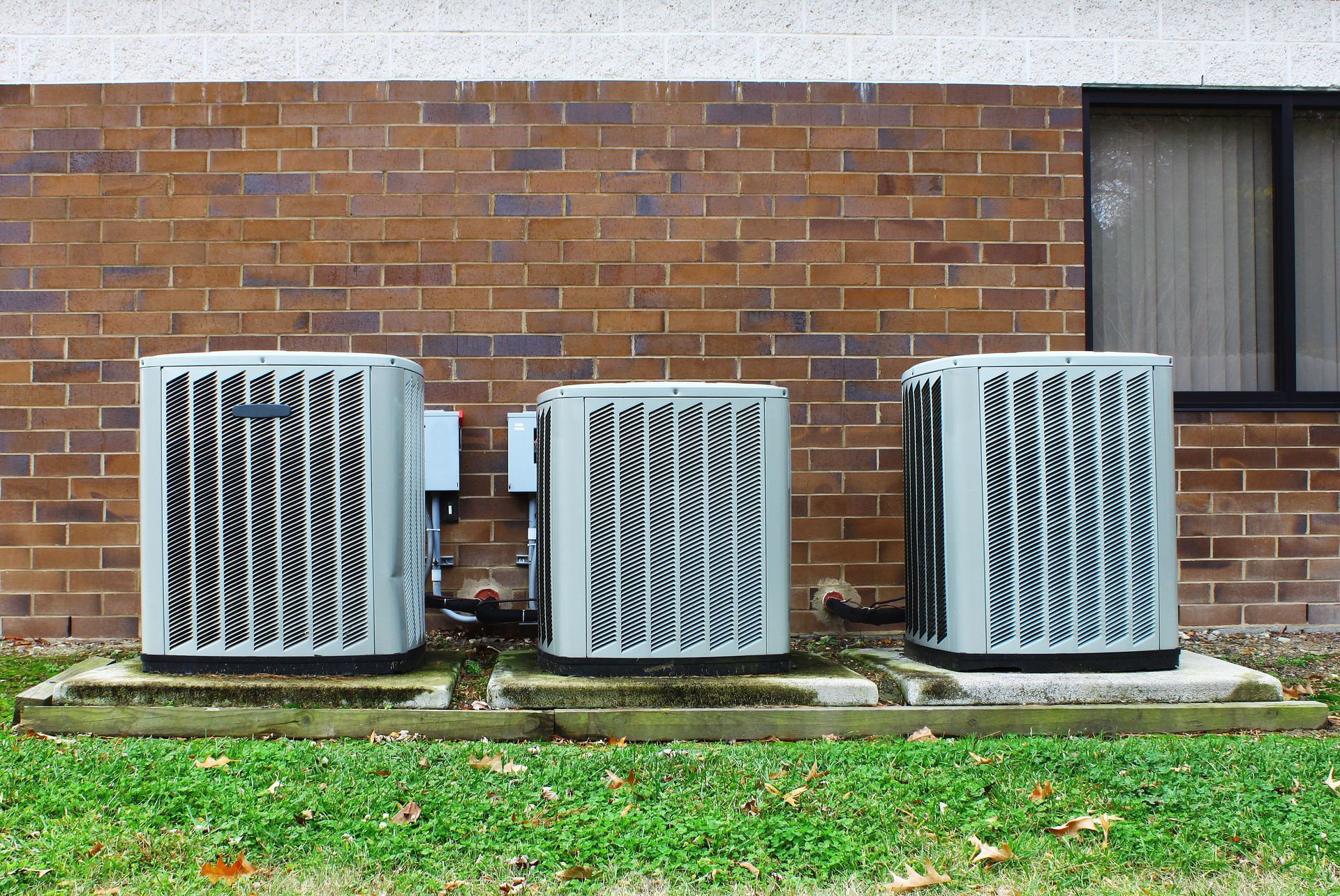
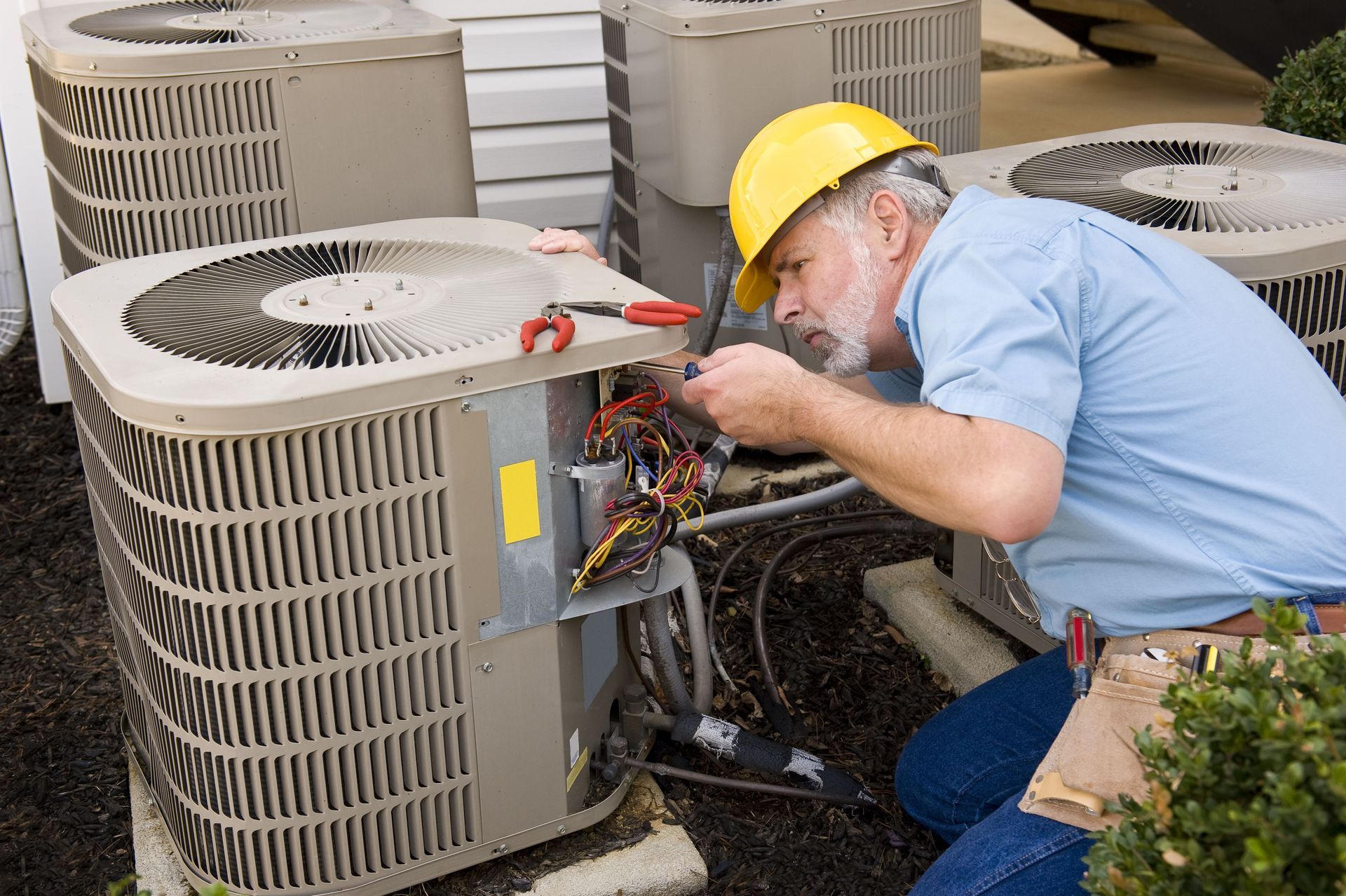
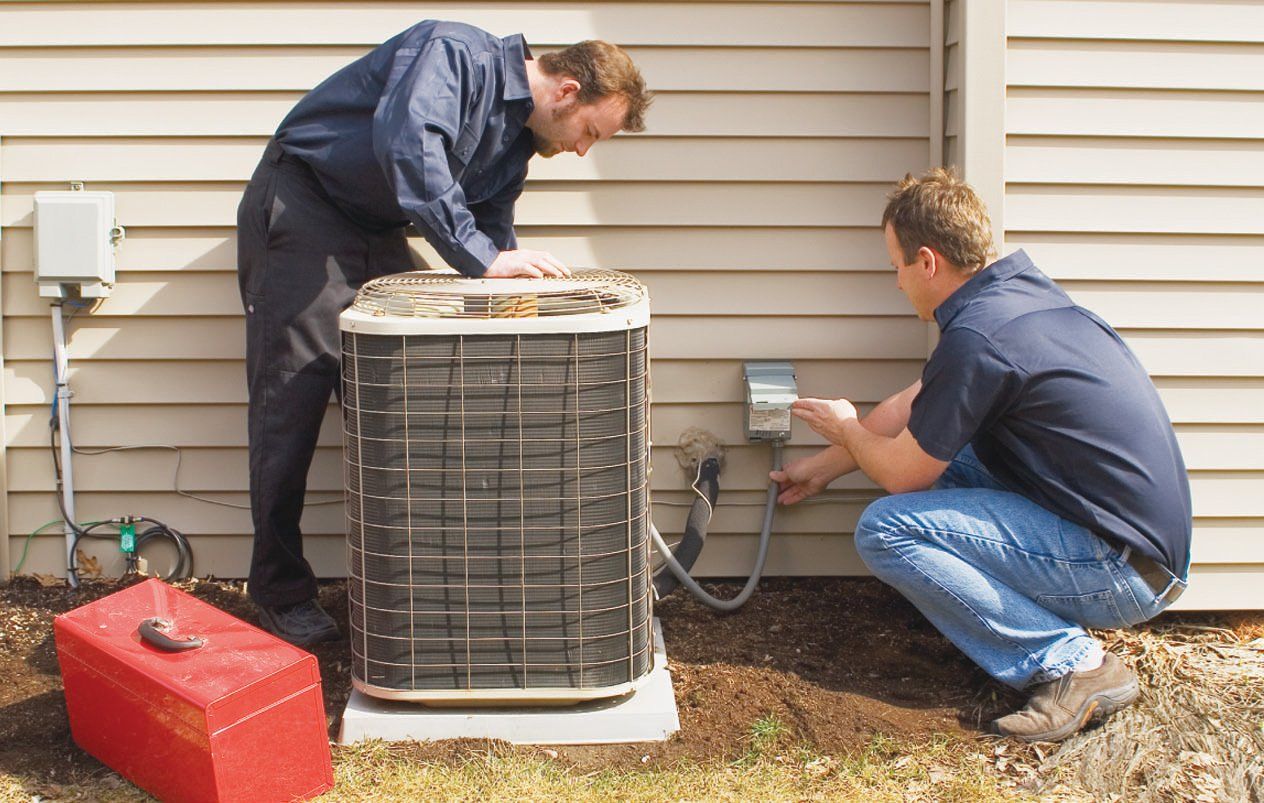
Inspecting outdoor units helps maintain external efficiency. Leaves, dirt, and debris can accumulate around outdoor units, impeding their function. Regularly checking these units for blockages supports efficient operations, especially during seasonal transitions.
Evaluating Professional HVAC Service Considerations
Finding a qualified technician is crucial for comprehensive HVAC system maintenance. Experienced professionals can conduct thorough inspections. To find qualified technicians, check for certifications and affiliations with reputable organizations in the HVAC industry to ensure expertise and reliability.
Assessing costs is an essential part of planning for professional AC service. Balancing quality service with affordability involves obtaining multiple quotes and understanding the scope of work involved to budget effectively and prioritize necessary services without compromising quality.
Service agreements can offer structured plans for regular maintenance, often at reduced rates. These agreements usually provide scheduled visits, priority service, and discounted repairs, offering comprehensive coverage for your system and preventing any unforeseen costs.
Adjusting Maintenance Frequency Based on Factors
Climate and weather conditions significantly impact how often maintenance should be scheduled. High humidity and temperature extremes require more frequent system checks to mitigate potential strain and efficiency loss.
The type and age of your HVAC system influence maintenance frequency significantly. Older systems may require more frequent checks due to component wear, whereas newer, more sophisticated models include technology that prolongs intervals between services.
Building size and insulation quality play roles in determining scheduling as well. Larger spaces or buildings with poor insulation impose greater demands on HVAC systems, requiring more regular inspections to operate effectively without excessive energy consumption.
Maximizing Smart Thermostat Integration
Modern climate control relies heavily on the synchronization between your physical hardware and digital management tools. Integrating a smart programmable thermostat allows your system to adjust temperatures automatically based on real-time occupancy and historical habits. This seamless automation relieves stress on internal compressors, prevents short-cycling, and provides data logs that alert homeowners when operational patterns shift unpredictably, acting as an automated baseline for proactive system care.
Regular HVAC maintenance is crucial to ensuring the efficiency, performance, and longevity of your system. Understanding your system's specific requirements and external factors influencing maintenance needs solidifies a sustainable care strategy. By embracing a proactive approach to maintenance, you can effectively mitigate costs associated with unexpected repairs. This comprehensive and tailored methodology extends the lifespan of your system and ensures consistent performance. Adapting to recommendations and best practices for HVAC care encourages a sustainable, healthy environment, reducing both financial and environmental impact. To safeguard your system's efficiency and secure year-round indoor comfort, schedule your next professional AC service and inspection with Hopewell Heating & Air Conditioning.








Share On: